

Euro NCAP started putting light commercial vehicles through its rigorous safety testing regime in 2021 to improve safety information for fleet managers and provide a safer experience for van drivers and other road users, with changes this year and more coming in 2026.
Results have been good, with van safety improving as driver assistance systems improve and manufacturers include more of the technology on their vehicles. The testing has been more rigorous this year, but Euro NCAP is introducing significant changes to van testing for 2026.
Under Euro NCAP’s plans, vans will be expected to have the same ADAS systems as passenger cars, with the vehicles rated according to equipment that is fitted as standard across all European markets.

Vans don’t tend to be involved in more accidents than other vehicles, but crashes involving LCVs are often more severe for their opponent vehicles and vulnerable road users. Euro NCAP has seen that ADAS technology can help effectively prevent or mitigate the consequences of these crashes. However, vans are often not equipped with state-of-the-art technology, so Euro NCAP’s new criteria takes ADAS requirements to a higher level. The new rules will place greater emphasis on vulnerable road users, including pedestrian safety, with a focus on night-time situations and cyclists and the introduction of a new van-to-car crash scenario.
“Safety technologies and innovative solutions are developing at a fast pace,” commented Michiel van Ratingen, Euro NCAP’s secretary-general. “Euro NCAP must develop its criteria to ensure that manufacturers maintain the impetus to innovate and make available the latest safety technologies in all vehicles on European roads. Just because vans are used for commercial purposes does not mean they should be any less safe than passenger cars. Under Euro NCAP’s plans by 2026, vans will be expected to meet the same ADAS requirements as passenger cars.”
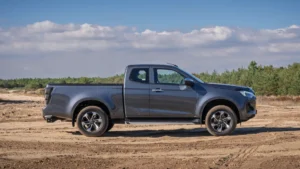
- Isuzu D-Max DL40 Commercial brings high-spec Extended Cab back for business users
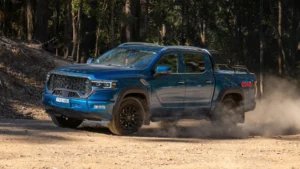
- Foton Tunland pickup heading to the UK
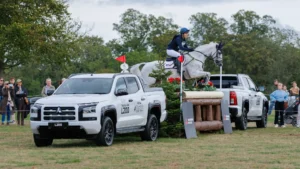
- Horses meet horsepower as Mitsubishi L200 returns to Blenheim
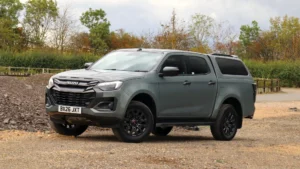
- Isuzu D-Max 2.2 review: Making less noise about its capabilities
- MG badge finds another home on U9 electric pickup


- Isuzu D-Max DL40 Commercial brings high-spec Extended Cab back for business users - 26 September 2026
- Foton Tunland pickup heading to the UK - 22 September 2026
- Horses meet horsepower as Mitsubishi L200 returns to Blenheim - 22 September 2026