
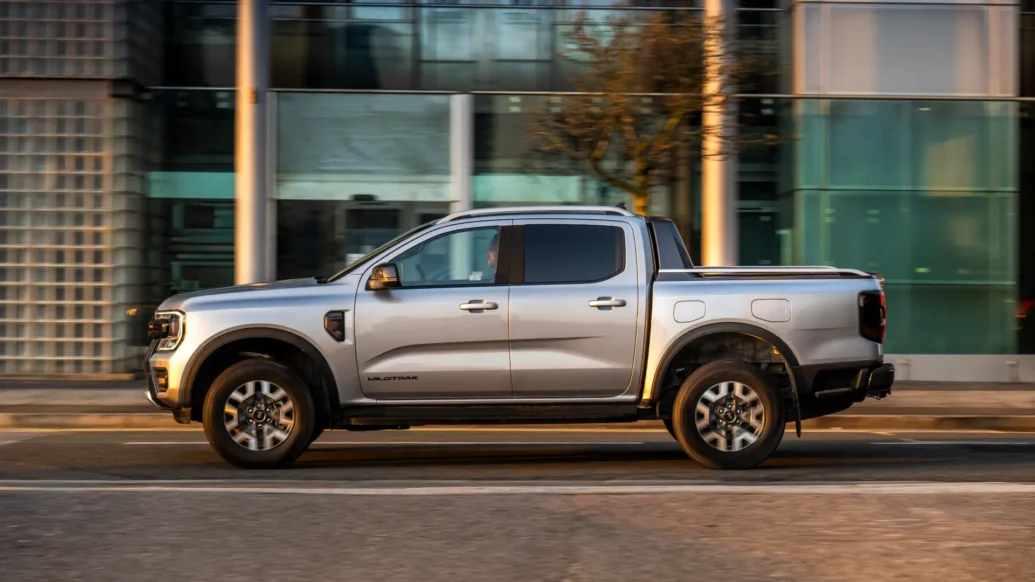
Pickup registrations fell for the 10th consecutive month in July, as tax changes continued to weigh heavily on demand.
The latest figures from the Society of Motor Manufacturers and Traders show pickup registrations fell by 53.2% year on year to just 888 units.
That means pickups accounted for only 3.1% of the wider light commercial vehicle market in July, despite overall LCV registrations rising by 22.0% during the month.
The contrast is stark. Large vans rose 29.9% to 20,842 units, medium vans increased 20.7% to 4,993 units, small vans grew 11.8% to 825 units, and 4×4 registrations climbed 66.1% to 1,030 units. Pickups were the only major LCV segment to record a significant decline.
The SMMT says demand continues to be affected by the reclassification of double-cab pickups under Benefit in Kind and capital allowance rules.
The industry body is again calling on government to reverse the measure, arguing that pickups play an important role in supporting economic activity and that the current tax position is discouraging fleet renewal.
The decline follows last year’s tax changes, which removed much of the previous company vehicle advantage for many double-cab pickups. While working operators still need the towing, payload and off-road capability these vehicles offer, the market has been left with a much weaker incentive for company users.
Mike Hawes, SMMT chief executive, said: “Continued van market growth shows operator resilience and sustained sector investment, while record battery electric van uptake is encouraging, proving businesses will switch if business conditions are right.
“However, multiple barriers are constraining the market – high capital expenditure costs, infrastructure challenges and, for pick-ups, fiscal disincentives. Rapid revisions to regulation and taxation are required urgently to spur the commercial vehicle fleet renewal essential to the achievement of net zero.”
The figures make uncomfortable reading for pickup manufacturers and dealers. New electrified models are beginning to arrive, including plug-in hybrid and fully electric pickups, but the tax position has left the sector fighting a sharper downturn than the wider commercial vehicle market.

- Isuzu D-Max DL40 Commercial brings high-spec Extended Cab back for business users - 26 September 2026
- Foton Tunland pickup heading to the UK - 22 September 2026
- Horses meet horsepower as Mitsubishi L200 returns to Blenheim - 22 September 2026