
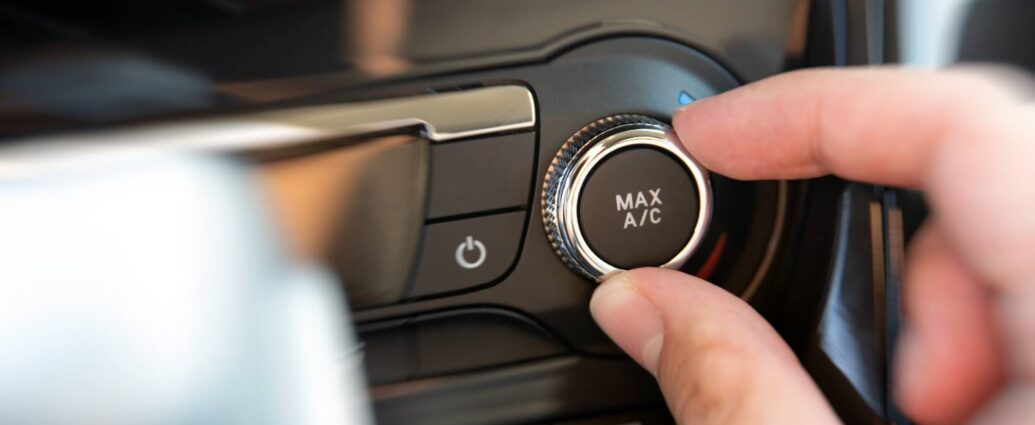
It’s hard to imagine driving around without air conditioning in your vehicle nowadays. What once was considered a luxury is now the norm for every vehicle nowadays, no matter whether a pickup, van, sedan or roadster. But as great as the automotive cooling system can be, it’s one of those vehicle systems that requires a lot of care and maintenance if you want it to work to the best of its abilities.
Five Common Things That Can Go Wrong With Your Cooling System
There are many things that can go wrong and wear down your automotive cooling system or make it go completely bust. The most common five of which are:
- Leakage: The most common and easiest way for your vehicle’s AC to leak is through the condenser, which can easily be damaged by objects around it.
- Over-cooling: When you have the AC set on cool or cold and it continues to go below the desired temperature, which can result in unnecessary use of gasoline as well as excess wear and tear on your car’s engine.
- Too much humidity: This one is pretty easy to understand. When your AC is on and it’s humid outside, the condenser will collect water which will eventually lead to leakage.
- Low refrigerant: When you have too little of a substance that’s used in cooling systems and it can’t keep the car cool enough.
- Complete Failure: This one is pretty obvious and self-explanatory. The AC simply stops working altogether.

Preventing Things From Going Wrong With Your Cooling System
Now that we’ve discussed the most common issues with vehicle ACs, let’s discuss how to prevent them. The first step in preventing these issues is to perform regular maintenance on your vehicle’s cooling system. This will help ensure that your AC runs at its best and won’t experience any of the problems listed above. Here are some tips on how to do so:
- Check the condenser regularly: One of the easiest ways to check if there’s a leak in your car’s AC is by checking the condition of the area around the condenser. If you see moisture or any kind of liquid around this area, you’ll know there’s a problem with your cooling system.
- Clean the condenser: In order to have proper airflow inside your vehicle’s AC unit, make sure that all dust and debris are removed from the fins of the condenser. You can do this by simply blowing it off with compressed air or water if necessary.
- Replace filters: Filters play an important role in keeping your AC cool as well as preventing leakage. Therefore, it’s important that you replace the filters in your car every six months or so.
- Clean and lubricate the fan: This is another tip for those who have a vehicle with manual fan control. The fan blade needs to be lubricated regularly so that it can move smoothly when turned on.
- Replace the thermostat: When replacing the thermostat, make sure that you’re getting one from a reputable source, as some aftermarket parts may not be compatible with your car’s cooling system. You should also ensure that you’re getting the right kind of thermostat for your vehicle.
- Check the hoses and belts: This is another tip that can help prevent leakage in your AC. If there are any cracks or holes in the hoses, it’s best to replace them right away, as they’ll cause problems down the road.
- Perform regular maintenance: As we’ve mentioned earlier, regular maintenance on your vehicle’s cooling system is the best way to ensure that it works properly. Therefore, make sure that you’re doing all of the required maintenance tasks on a regular basis.
- Use only approved AC refrigerant: If you want to prevent complete failure in your car’s AC, make sure that you’re getting an authorised refrigerant from a reputable source. Using aftermarket parts or ones that aren’t compatible with your vehicle may cause problems down the road. You can easily find many reputable UK automotive cooling parts sellers by doing a bit of due diligence.

How To Find the Best Replacement Parts
When looking for any type of car replacement parts, it’s important you buy from a reputable manufacturer and retailer. In order to identify the best ones in your area, take the following factors into consideration:
- Customer service: This is one of the most important aspects to look at when buying any type of car replacement parts. You want a company that can answer all your questions and provide information on which products are compatible with your vehicle.
- Warranty: If a product doesn’t work or malfunctions, it’s important that you get your money back or have the item replaced. For this reason, it’s essential that you check out the warranty offered by the manufacturer or retailer.
- Price: You don’t have to spend a lot of money on replacement parts if they’re going to work just as well as their counterparts with less expensive price tags. In fact, some of the best car parts can be found at reasonable prices from reputable retailers.
- Customer reviews: Reading customer reviews is another important factor when it comes to buying any type of car replacement parts. It’s great for getting an idea about what other people think about certain products, which means that it’ll give you a good idea of what to expect when purchasing them.
- Land Rover Defender Hard Top overtakes Ford Ranger as pickup demand collapses

- Chery Stockman diesel hybrid pickup packs 476hp and 60-mile electric range

- Toyota dropped a caravan onto an electric Hilux because Reddit told it to

- Isuzu D-Max DL40 Commercial brings high-spec Extended Cab back for business users

- Foton Tunland pickup heading to the UK