
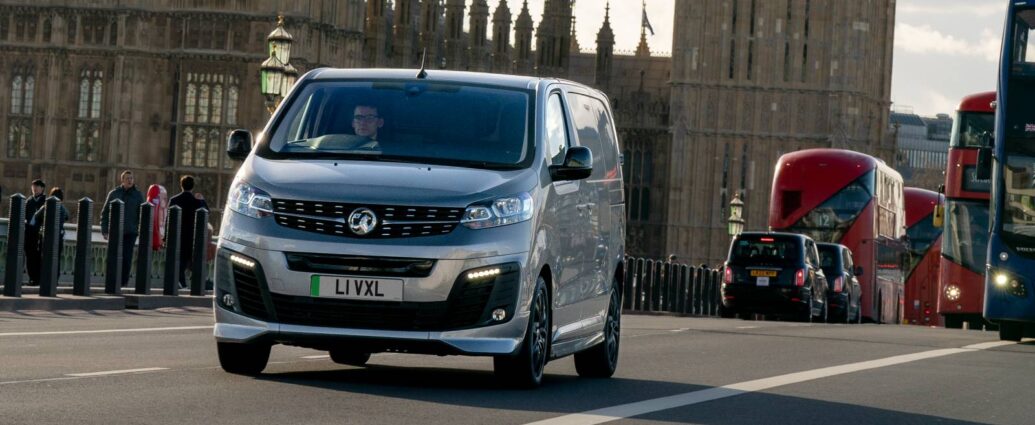
Around 20 million tonnes of CO2 emissions could be eliminated each year by transitioning the UK’s van fleet to fully electric vehicles, reveals a study by Vauxhall. This finding comes as the UK Government initiates a consultation to potentially establish annual zero-emissions vehicle sales quotas for manufacturers, including financial penalties for non-compliance.
Vauxhall calculated how much CO2 could be saved every year if the country’s van fleet was converted to electric Light Commercial Vehicles (eLCVs) that produce zero tailpipe emissions. Using official UK Government and Society of Motor Manufacturers and Traders (SMMT) figures, Vauxhall calculated vans account for 18.2% of the UK’s annual transport-related CO2 emissions and 4.6% of the country’s total annual carbon emissions.
With 4.77 million petrol or diesel vans on the road covering an average of 13,000 miles a year, according to the Department for Transport , van drivers in the UK rack up more than 62 billion miles annually. Using the SMMT’s average new van emissions estimate of 195.7g/km CO2 as the fleet average emissions, Vauxhall calculated annual emissions exceed 19.5 million tonnes of CO2.
Last year, more than 16,000 electric vans were delivered to businesses across the country, a rise of 31.2% over the previous year. Vauxhall led the way, with the Vivaro Electric being the best-selling eLCV model in the country for the second year running. However, eLCVs accounted for just 5.9% of total van registrations in 2022, well behind the 16.6% 2022 market share for electric cars and below the 10% proposed mandate for 2024 for eLCV sales.
As well as zero tailpipe emissions, electric vans offer businesses several other benefits, including exemption from current congestion and emissions zone charges.

With a goal of becoming an electric-only brand by 2028 – seven years ahead of the UK Government deadline – Vauxhall is committed to electrifying the nation, with the brand’s Ellesmere Port manufacturing site undergoing a £100m renovation to become the first Stellantis plant to produce solely battery-electric models.
James Taylor, Vauxhall’s managing director, said: “Vauxhall is fully committed to electrification and remains one of few manufacturers in the UK already able to offer fleets a zero-emissions-in-use vehicle across its entire LCV range. Our research highlights the importance in electrifying the country’s businesses to help meet the UK’s Net Zero targets, and comes at a time when the UK is considering imposing further measures to increase electric vehicle uptake.”
- Ford Ranger PHEV onboard power is cleaner and cheaper than a generator

- Pickup market slumps for ninth straight month after tax changes

- Ineos Grenadier and Quartermaster cleared for UK blue-light use

- JAC Hunter PHEV points to faster-moving electrified pickup market

- Urban builds the Defender pickup Land Rover won’t sell