
The UK’s light commercial vehicle (LCV) market showed a positive trend in September, recording an 8.3% increase in registrations — the best performance for the month in four years. According to data from the Society of Motor Manufacturers and Traders (SMMT), 48,455 new vans, 4x4s, and pickups were registered, making a total of 267,339 new LCVs on UK roads for the year — up 3.6% compared to 2023 and the largest January-September volume since 2019.
Demand for the smallest vans surged, with registrations up 34.1% to 1,180 units. Medium-sized vans also saw a significant increase of 34.8%, totalling 9,552 units. However, registrations for larger models grew at a more modest rate of 8.6%, accounting for 31,645 units or 65.3% of the market share. In contrast, pickups and 4×4 registrations fell dramatically, down 16.0% and 42.4% respectively.
Ford dominates the sales charts, taking over a third of the overall LCV market. The Transit Custom tops the table for September (7,570 registrations) and the year to date (35,517 registrations), followed by the larger Transit and the Ranger pickup in second and third place, respectively.

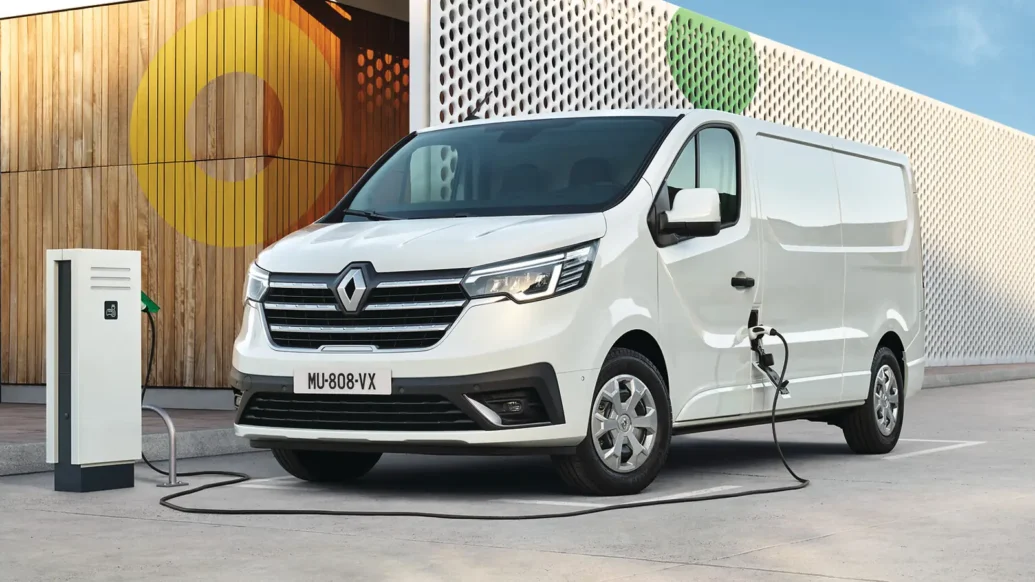
Despite the overall growth in the LCV market, battery electric vehicle (BEV) registrations decreased by 0.5% in September, marking the fourth consecutive month of declining BEV uptake and the sixth overall in 2024. Only 3,020 new BEVs were registered last month, bringing the year-to-date total to 14,188 units — 7.7% lower than in 2023. BEVs represent just 5.3% of total LCV registrations, significantly below the 10% threshold set by the UK’s zero-emission vehicle mandate.
Stellantis continues to lead the UK electric van market, with Peugeot taking the crown for the best-selling electric van brand in the UK. Collectively, Stellantis brands have sold 5,877 electric vans so far this year, almost three times more than the second-best-selling electric van manufacturer.
The SMMT says that for fleet decarbonisation to occur, operators must feel confident that switching to BEVs is commercially viable. Persistent economic challenges have rendered BEVs more costly, compounded by a lack of suitable charging infrastructure. In response, the SMMT and 12 major vehicle manufacturers have urged the Chancellor to maintain the Plug-in Van Grant beyond 2025, equalise VAT on public and home charging, and establish infrastructure targets to facilitate the transition for operators without home charging capabilities.
Mike Hawes, SMMT Chief Executive, said: “Growing overall demand for new vans is encouraging as the sector, a barometer of the UK economy’s health, continues to recover post Covid. But while manufacturers have invested huge sums delivering zero emission technology and incentivising its sale, consistently low demand is constraining industry from meeting Britain’s ambitious zero emission vehicles sales mandates. For van fleets to go green at pace they need the immediate encouragement – and long-term certainty – of fiscal incentives and van-specific charging infrastructure. Without these, UK decarbonisation ambitions cannot be achieved at the world-leading speed demanded by regulation.”

- Mitsubishi L200 picks a fight with new Street Fighter movie - 17 September 2026
- Renault Niagara pickup revealed, but it’s only for Latin America - 10 September 2026
- Mitsubishi L200 Commercial swaps rear seats for van tax treatment - 10 September 2026