
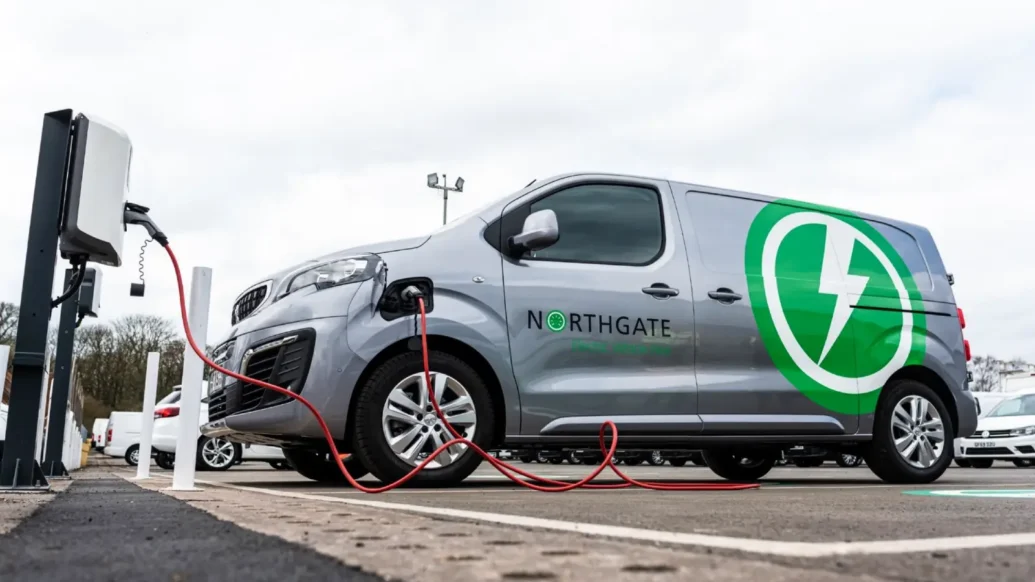
Northgate Vehicle Hire says almost 80% of the vans analysed through its Drive to Zero Transition Hub are already suitable for electrification, based on real-world use and charging opportunities.
The platform evaluated 1,329 light commercial vehicles between July 2024 and August 2025, identifying 79% as “EV-ready”. A vehicle qualifies if its routes and dwell times provide enough opportunity to recharge more energy than it typically uses in a day — even in winter, when range is reduced.
The Transition Hub, developed with electrification specialist Diode, is designed to give fleet managers a clear data-driven view of which vehicles can switch to electric without disrupting operations. It forms a core part of Northgate’s wider Drive to Zero programme.
Using customer data such as journey patterns, mileage, site characteristics and downtime, the system generates bespoke reports showing which vans could be replaced with electric alternatives, where they could charge, likely CO₂ savings and estimated operating costs. Northgate says the free assessments are helping fleets remove early barriers to electrification at a time when 24% of new LCVs sold in 2026 will need to be zero-emission under the UK’s ZEV mandate.
More than 3,000 vans have been analysed through Drive to Zero so far, covering sectors including housing, healthcare, highways, leisure and retail. Northgate says fleets of all sizes — from fewer than 20 vans up to more than 100 — are now using the data to implement practical transition plans.
Once customers have an electrification roadmap, Northgate can provide the vehicles, charging infrastructure and operational support needed to put the plans into practice.
Josh Hooper, head of product and specialist sales at Northgate, said the findings show how quickly EV adoption is becoming viable. “Electrification can feel complex, but with the right data and support, it quickly becomes actionable,” he said. “The fact that nearly 80% of vehicles assessed are already EV-ready shows how real and achievable this shift has become.”
Hooper added that newer electric vans with improved range and payload are continuing to build operator confidence: “As more capable eLCVs enter the market, operators now have far greater reassurance that electrification can meet the practical needs of day-to-day work.”

- Renault Niagara pickup revealed, but it’s only for Latin America - 10 September 2026
- Mitsubishi L200 Commercial swaps rear seats for van tax treatment - 10 September 2026
- Volkswagen launches blacked-out Amarok Dark Label pickup - 9 September 2026