
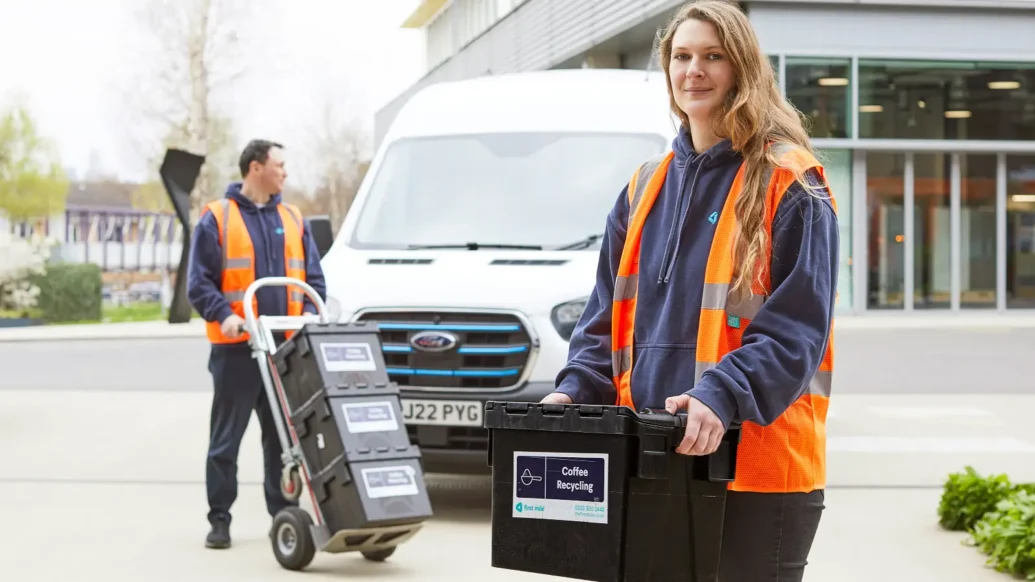
Ford has introduced a monthly subscription service for Ford E-Transit vehicles through its Ford Drive program. The service is aimed at business owners wanting a flexible option for fleet expansion and for those keen to see how an electric van fits into their business without committing to buying.
The subscription includes a comprehensive service, maintenance, and repair plan covering all components, tyres, and breakdowns, plus additional Ford Pro benefits like mobile servicing.
The subscription is indefinitely renewable with a minimum commitment of just one month, making it ideal for businesses seeking temporary vehicle solutions, those hesitant about purchasing an E-Transit or other electric vehicle, or those needing adjustable fleet sizes. The subscription model, which requires no deposit, should also be attractive to companies looking to conserve capital and manage financial risks.
“For many businesses, there are a unique mix of challenges that need to be resolved before they can be confident that an EV is a good investment for their business”, said Richard Balch, director at Ford Drive UK. “Ford Drive gives a simple way for them to effectively try before they buy. At the same point, the flexibility and services included in our subscription model also make for a compelling longer-term proposition as some customers are already finding out.”

Since its launch in mid-2023, Ford Drive has grown steadily, with many clients continuing to extend their subscriptions, appreciating the flexibility it provides in managing their vehicle fleets. The service has been particularly popular among those adding the E-Transit to their fleets, helping them explore operational changes required for electric vehicles.
Louise Le Besnerais, transport manager at Ford Drive customer, First Mile, added: “We’re looking at leasing over buying because we would financially not be able to buy all these vehicles, especially as electric vehicles are so much more expensive than diesels. We decided to go with Ford Drive because they were the most flexible and that’s helped us be able to electrify our fleet a lot faster. We now already have ten electric vehicles which we weren’t planning to achieve until the end of 2026.”

- Renault Niagara pickup revealed, but it’s only for Latin America - 10 September 2026
- Mitsubishi L200 Commercial swaps rear seats for van tax treatment - 10 September 2026
- Volkswagen launches blacked-out Amarok Dark Label pickup - 9 September 2026