
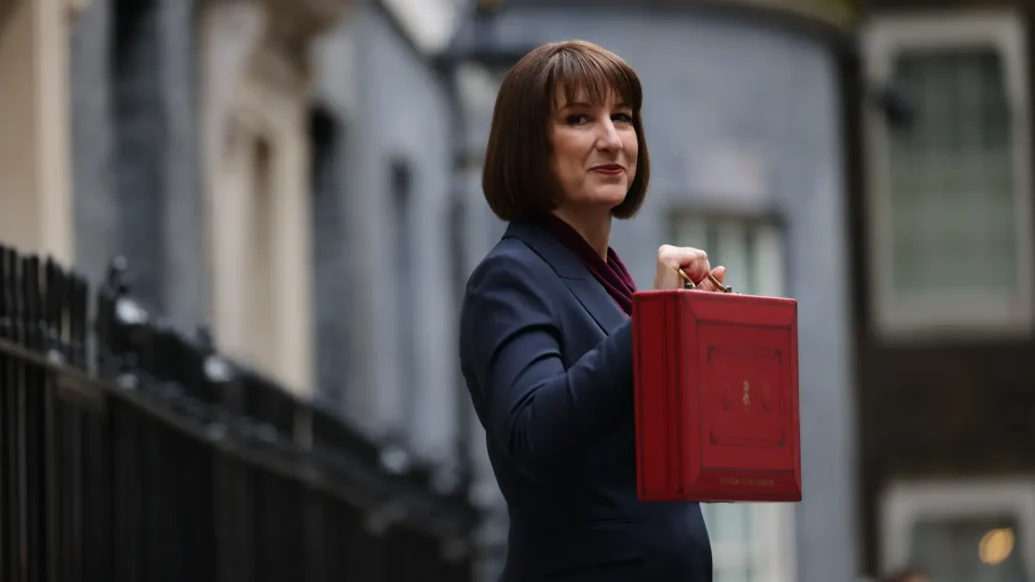
The new Chancellor of the Exchequer has delivered the government’s Autumn Budget, and it’s not good news for the double-cab pickup market. From April 2025, the budget changes mean that all double-cab pickups will be considered cars for taxation purposes, significantly increasing costs for those running them as company vehicles.
At a Glance
What: Double-cab pickups reclassified as cars for tax purposes
When: Changes effective April 2025
Impact: Higher BIK and lower capital allowances for businesses
Exceptions: VAT relief unchanged
Poring over the fine detail of the Autumn Budget , page 138 includes the text: “The government will treat double cab pick-up vehicles (DCPUs) with a payload of one tonne or more as cars for certain tax purposes. From 1 April 2025 for Corporation Tax, and 6 April 2025 for income tax, DCPUs will be treated as cars for the purposes of capital allowances, benefits in kind, and some deductions from business profits.”
The most crucial change to company pickup users will be benefit-in-kind taxation, significantly increasing costs for the end user. If the BIK rates are aligned with cars, a driver using a Ford Ranger Wildtrak 2.0 as a company vehicle will face a company car tax bill of around £300 a month, rising to almost £600 a month for a higher rate taxpayer — an increase of 350% over the existing figures.
Capital allowance rules will also change in April 2025. Businesses have been able to claim capital allowances on vehicles that are not cars, expensing up to 100% of the cost of a double-cab pickup. The new rules will place pickups alongside cars, limiting the allowance to just 18%. Reclassifying pickups as cars might also affect a business’s ability to apply vehicle expense deductions from profits.
The good news is that HM Treasury’s Autumn Budget document doesn’t mention any changes to how double-cab pickups will be treated for VAT, meaning that businesses buying double-cab pickups with payloads of 1,000kg or more will be able to reclaim the VAT element without difficulty.
The previous Conservative government made the same changes to BIK rates in February 2024, before reversing its decision a week later following a significant backlash, especially from the farming industry.
Double-cab pickups have traditionally been considered cars or vans based on their payload limits, with anything able to carry a tonne or more of cargo considered a commercial vehicle.
The change in definition follows a legal case between Coca-Cola and HMRC, which concluded that a vehicle should be clearly suited to one task or another and that no decision should be based on a narrow margin. In cases where it’s not clear if a vehicle is primarily suited for carrying goods or people, it should be classified as a car.
For employers who bought, leased, or ordered a double-cab pickup before 6 April 2024, transitional rules will see the current classification remain in place until the vehicle is sold, the lease ends, or until 5 April 2029 at the latest.
Photo: Chancellor Rachel Reeves delivers the Autumn Budget 2024. Picture by Lauren Hurley / DESNZ. Licensed under CC BY-NC-ND 2.0.
