
Van and light commercial vehicle (LCV) sales have hit a 25-year high, with new vehicle registrations in February rising by 8.5%. Coupled with a strong performance in January, the market is now up by 17.5% overall this year, showing a robust recovery across the industry after the difficulties it’s been facing over the past few years.
The sales increase is made more notable as February is often the quietest month of the year, with customers holding off vehicle deliveries until March, when a new registration plate is introduced.
The Society of Motor Manufacturers and Traders (SMMT) recorded a rise in van registrations of 5.6% over February 2021, with 15,832 new vehicles delivered in the month. There was also a rise of 45.5% in deliveries of pickup trucks and commercial 4x4s — such as the Land Rover Defender Commercial — as registrations rose from 1,174 in February 2022 to 1,708 this February.
While overall sales hit a high, registration of electric LCVs dropped significantly, down 44.5% to 966 units. The Vauxhall Vivaro Electric was the most popular option, with 264 models registered. With several new models arriving on the market in the coming months and the supply of components becoming more stable, growth should resume.
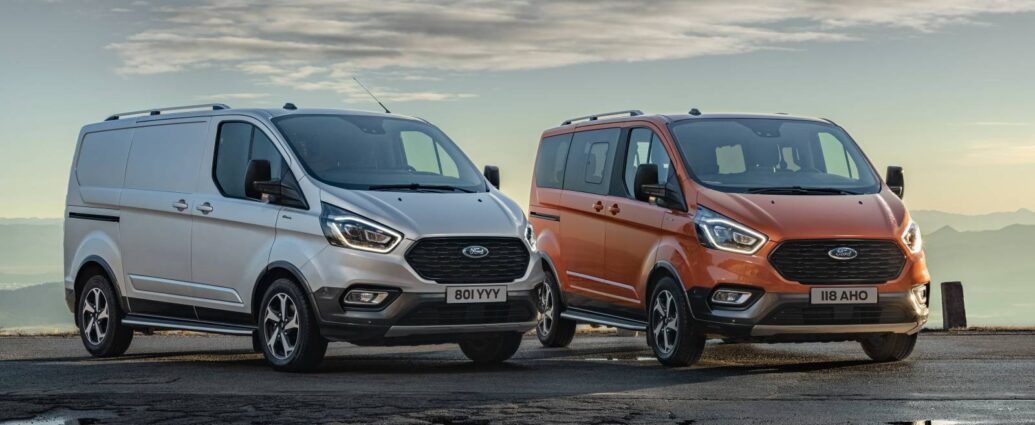
Across the LCV market as a whole, the Ford Transit Custom was the best-selling model, shifting 2,573 units. Its siblings, the Ford Transit and Ford Transit Connect, came in second and fifth places, while the Ford Ranger was the best-selling pickup truck, seeing Ford take four places within the top ten.

“Following a torrid 2022, the UK van market is returning to sustained growth that is exceeding even pre-pandemic levels,” commented SMMT chief executive Mike Hawes. “Given the importance of vans to keeping the British economy and society on the move, this growth is good news. With the ZEV market still at a very early stage, however, a concerted effort by all stakeholders to accelerate van-suitable chargepoint installation must become an urgent priority, enabling long-term net zero fleet investment at the scale necessary.”
- Ford Ranger PHEV onboard power is cleaner and cheaper than a generator

- Pickup market slumps for ninth straight month after tax changes
- Ineos Grenadier and Quartermaster cleared for UK blue-light use

- JAC Hunter PHEV points to faster-moving electrified pickup market
- Urban builds the Defender pickup Land Rover won’t sell