
Volkswagen is expanding its support of renewable energy and investing in solar power as it sets about increasing the share of battery electric vehicles it sells to over 55% by 2030 as part of its GRIP 2030 corporate strategy.
The amount of electricity from renewable sources available in the grid is being increased by Volkswagen, laying the foundations for its electric vehicles to be used on a carbon-neutral basis. Electric vans can only contribute fully to climate protection if they run on green electricity.
Through partnerships, such as that with the solar energy provider Statkraft in Tordesillas, Volkswagen will support the future carbon-neutral use of its electric vehicles.
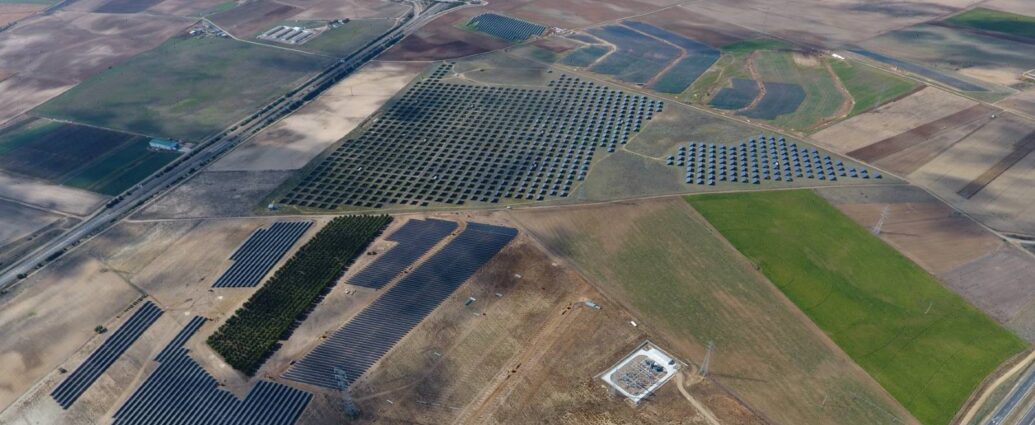
The two photovoltaic systems in the Spanish town of Tordesillas have a total annual capacity of around 74 million kilowatt-hours. Not far from Valladolid in the Castile and León region, no fewer than 100,000 modules spread across more than 18 hectares convert sunlight into electricity.
“To secure financing for extra capacity at wind farms and solar installations, we’re working with the energy industry in a targeted way and are funding projects that are generating additional green electricity,” explains Susanne Leifheit, head of public affairs and sustainability at Volkswagen Commercial Vehicles. “For us, the Spain project is another key milestone along the ‘way to zero’ at Volkswagen Commercial Vehicles, by which I mean decarbonisation and the creation of sustainable mobility.”


In Europe, Volkswagen aims to reduce the carbon footprint of all vehicles across their entire life cycle by 40% by 2030 compared with 2018. The new all-electric ID.Buzz plays a vital role in this. From this autumn, the vehicle will be supplied on a carbon-neutral basis to customers in Europe. This means offsetting the CO2 emissions caused by production in the Hanover plant and the upstream supply chains, as well as all transport steps and the battery’s first charge.
These emissions will be offset by investing in certified climate protection projects like the Kariba REDD+ (Reduced Emissions from Deforestation and Degradation) project. As part of the project, nearly 785,000 hectares of forest along the southern shore of Lake Kariba near the Zambian-Zimbabwean border are being protected against deforestation.
It is one of the most significant REDD+ projects to date and is shared across three national parks: Chiazaira, Matusadona and Mana Pools. The project links up four national parks and eight safari reserves and thus forms a biodiversity corridor that protects forest areas and numerous endangered species.
- Renault Niagara pickup revealed, but it’s only for Latin America

- Mitsubishi L200 Commercial swaps rear seats for van tax treatment
- Volkswagen launches blacked-out Amarok Dark Label pickup
- Pickup market plunges to lowest level since Covid lockdown
- KGM appoints Mertrux as new Derby dealer

- Renault Niagara pickup revealed, but it’s only for Latin America - 10 September 2026
- Mitsubishi L200 Commercial swaps rear seats for van tax treatment - 10 September 2026
- Volkswagen launches blacked-out Amarok Dark Label pickup - 9 September 2026