
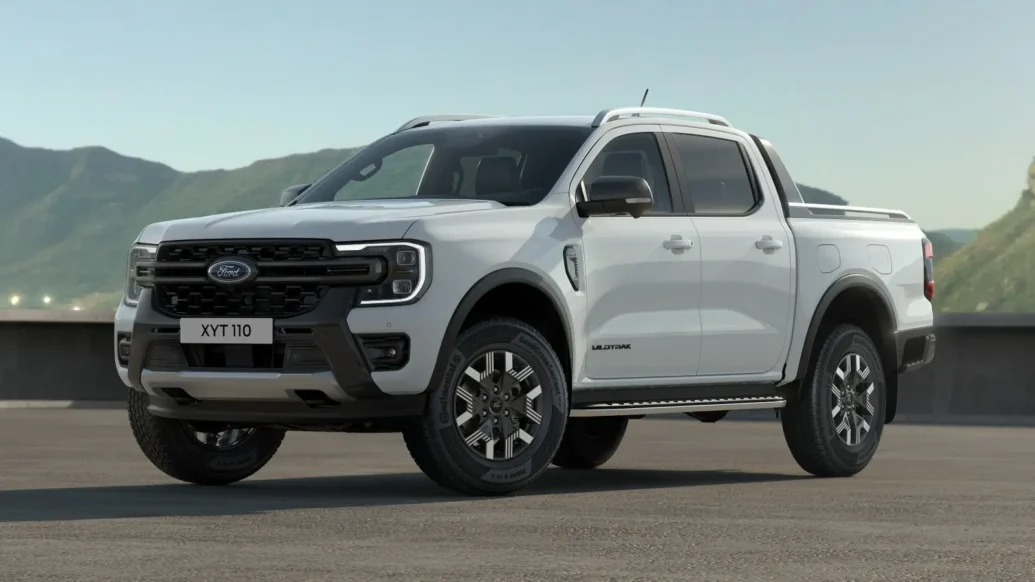
The new Ford Ranger Plug-in Hybrid will be built alongside the existing diesel and petrol pickups at Ford’s plant in Silverton, South Africa, following an investment of R5.2 billion (£220 million).
The investment will see the production line updated to accommodate the new model, including changes to the robots, welding equipment, control systems, conveyors and skids, while a battery pack assembly plant will be built alongside.
Further investment into vehicle assembly operations will see changes to the Trim, Chassis and Final (TCF) line, with updates to the handling equipment, turnover fixtures, charging systems, leak detection and testing equipment, and a new repair area.
The Paint Shop is also being revamped to improve paint quality for all vehicles produced in South Africa.
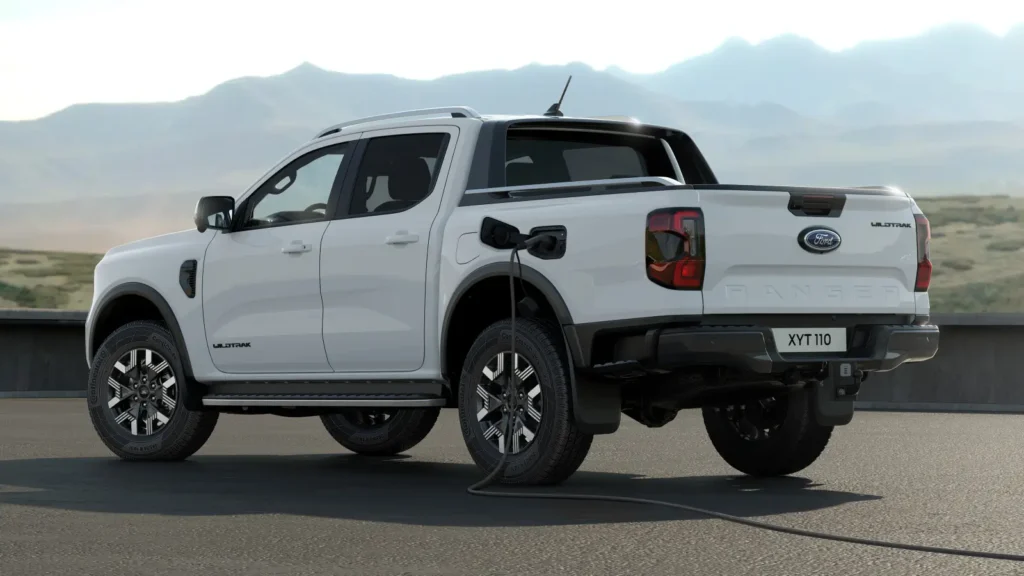
The new Ranger Plug-in Hybrid will use a 2.3-litre four-cylinder EcoBoost petrol engine allied to an electric motor and battery pack. While Ford is keeping quiet about the size of the battery pack for now, it does promise a pure-electric range of 28 miles. It has also confirmed that the new model will have the highest torque output in the range, which means at least 600Nm. Ford is also promising ‘no comprises’ to the pickup’s capabilities, which means the 3.5-tonne towing limit remains in place, as does a minimum of 1,000kg of payload.
Production is expected to start at the end of 2024, with the model exported worldwide, including the UK and Australia.
“The additional investment in the Silverton Assembly Plant for the Ranger Plug-in Hybrid takes our total manufacturing investment in South Africa over the past 14 years to around £1.4 billion, or nearly R33 billion,” says Andrea Cavallaro, operations director, Ford International Markets Group. “It signals our commitment to the country, our employees and our extensive supplier network.”
